Two patients can walk into a dental clinic on the same morning, each missing a single lower molar and each having two medium-sized cavities. Yet the ideal treatment plan for those two people may look completely different. One patient may grind their teeth heavily at night, travel frequently for work, and have sensitive gums; the other may have a light bite, high cavity risk from dry mouth medication, and an upcoming wedding in six weeks. Cookie-cutter dentistry treats teeth in isolation; personalised treatment planning treats the whole person.
The Direct Answer
Personalised dental treatment plans improve patient care by aligning clinical diagnosis, material selection, and appointment sequencing with your specific biological risk factors, bite mechanics, medical background, comfort preferences, and budget. Instead of applying a rigid one-size-fits-all template, a tailored plan resolves urgent disease first, protects vulnerable natural teeth, and paces restorative or cosmetic phases comfortably.
Why One-Size-Fits-All Dentistry Falls Short
When dental treatment is delivered as a series of disconnected, single-tooth fixes—filling whichever tooth hurts this month without looking at the broader oral environment—patients often feel trapped on a treadmill of recurring dental issues. A filling placed without addressing why the patient is getting cavities, or a crown placed without checking how the opposing teeth grind against it, addresses the effect while ignoring the cause.
At Dr. Paul Aesthetic in Deira, Dubai, Dr. George Paul (DHA-licensed dentist with over 25 years of clinical service) designs every general dentistry and restorative plan around five individualised pillars discovered during your baseline examination.
The Five Dimensions of a Truly Personalised Dental Plan
1. Your Biological Risk Profile (Caries and Periodontal Susceptibility)
Every mouth has its own microbiological and salivary balance. Before choosing materials or recall intervals, your dentist evaluates:
- Salivary flow and buffering capacity: Medications for blood pressure, allergies, or anxiety can reduce saliva, increasing root cavity risk.
- Gum and bone stability: A patient with a history of periodontitis needs gum stabilisation and tailored interdental cleaning spaces built into every new restoration.
- Enamel mineral quality and diet: Frequent sipping of acidic beverages or sweet karak tea changes how margins are protected.
2. Your Bite Mechanics (Occlusal Force Distribution)
The chewing force generated by a person with strong jaw muscles who clenches at night can be three to four times higher than that of a light chewer. Personalising the plan means selecting restorative materials—such as high-strength monolithic ceramics or cuspal-coverage onlays—and designing occlusal guards so restorations survive long-term without fracturing natural enamel.
3. Your Medical History and Systemic Health
Conditions such as diabetes, pregnancy, cardiovascular therapy, or bisphosphonate use directly influence how tissues heal and when certain procedures should be scheduled. For example, stabilising active gum inflammation helps support healthy blood sugar regulation in diabetic patients, while elective procedures during pregnancy are carefully timed for the safest trimester.
4. Your Comfort Level and Pacing Preferences
Some patients prefer fewer, slightly longer appointments to complete an entire quadrant of fillings in a single sitting. Others—particularly those who experience dental anxiety or jaw fatigue—feel much happier with shorter, gentle 30-minute visits spaced over several weeks. A personalised plan adapts to your nervous system, never forcing you through a marathon session.
5. Your Timeline, Priorities, and Financial Phasing
Not every non-urgent tooth needs to be restored in the same week. Your dentist sequences care into clear steps:
- Immediate pain relief and infection control for any acute symptoms.
- Active disease stabilisation for gums and deep cavities.
- Long-term structural and aesthetic restoration paced comfortably across your calendar and budget.
Standardized Template vs Personalised Treatment Plan
| Planning Factor | Standardized "Checklist" Approach | Personalised Clinical Treatment Plan |
|---|---|---|
| Focus of care | Treating individual holes or broken teeth one by one | Treating the underlying cause + restoring long-term bite harmony |
| Material selection | Same default filling or crown material for every patient | Chosen based on bite load, moisture control, and aesthetic zone |
| Appointment pacing | Dictated solely by clinic slot availability | Adapted to patient comfort, schedule, and healing intervals |
| Financial predictability | Piecemeal surprises as new issues appear | Written, prioritised phases with clear upfront estimates |
| Long-term prevention | Generic "brush and floss" reminder | Custom recall interval and risk-specific home protocol |
How Personalised Planning Works in Practice
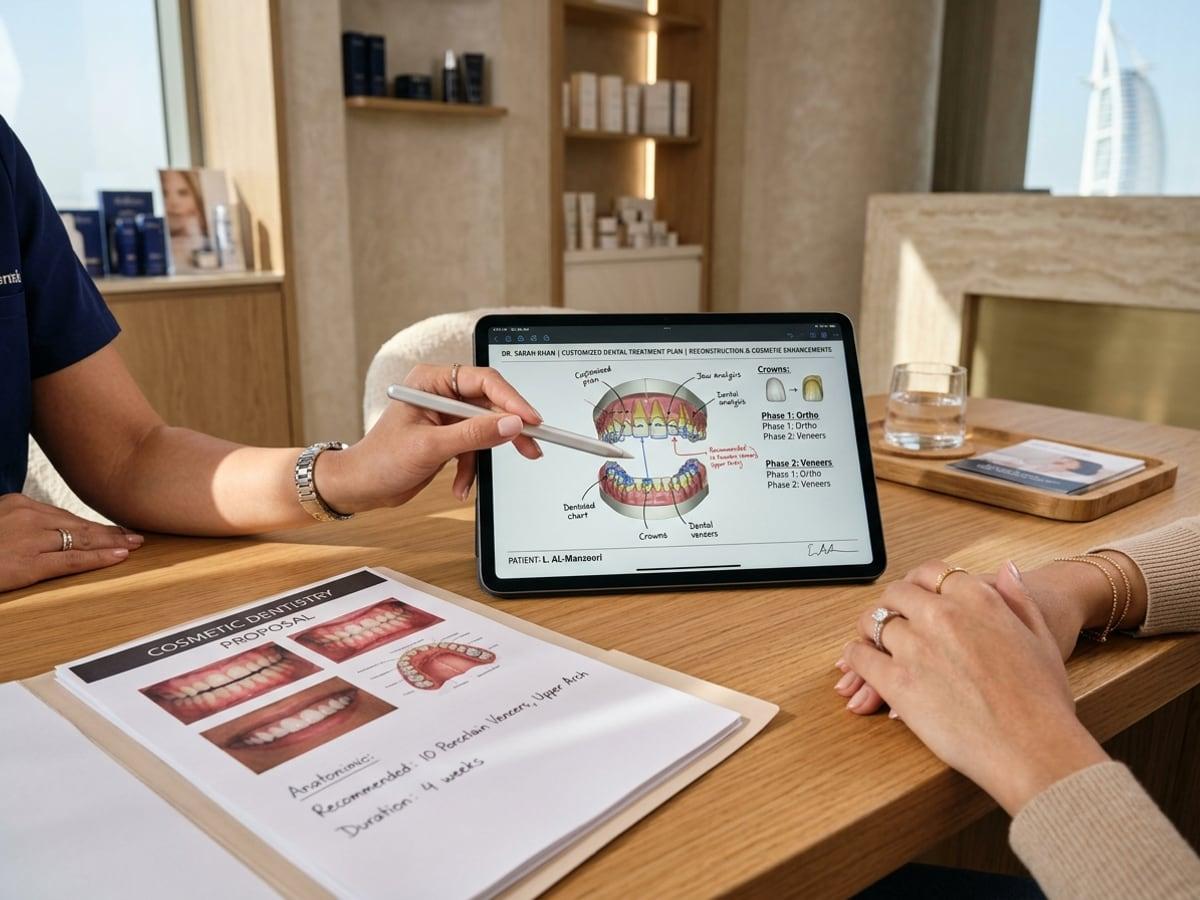
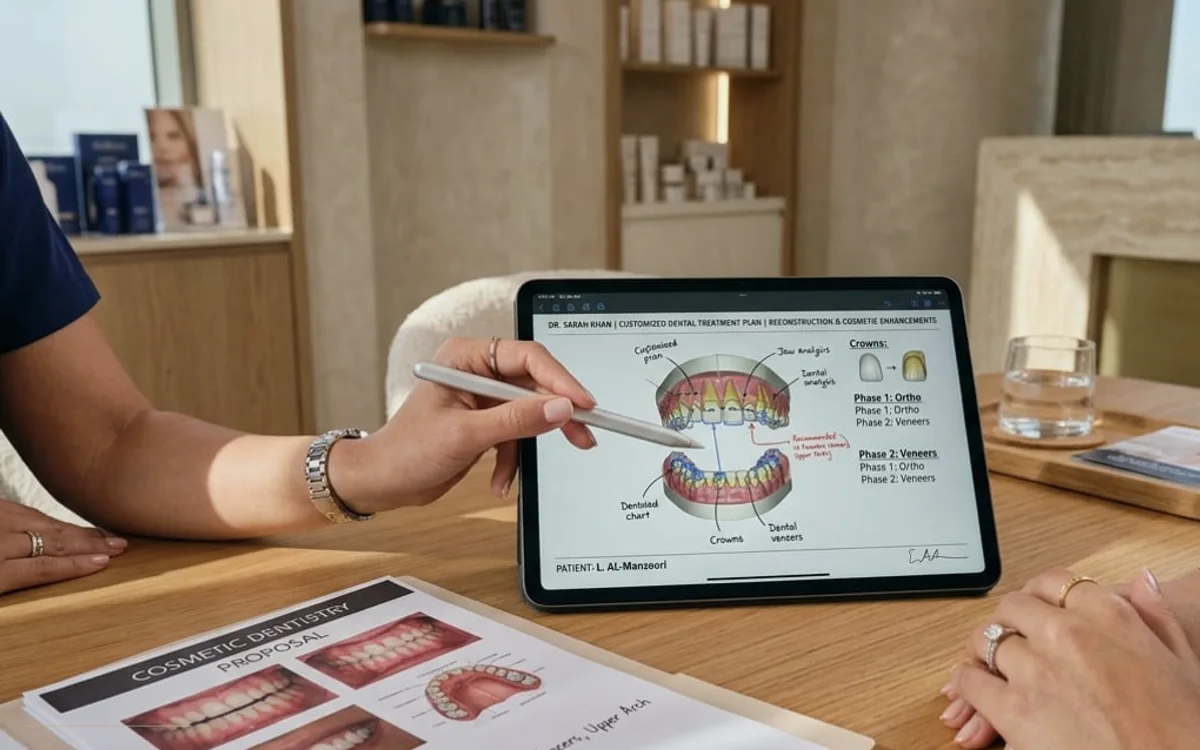
Every tailored plan starts with a comprehensive dental checkup in Dubai so no hidden issue is overlooked. Once the full picture is clear, you and your dentist review the findings together on screen and co-create a roadmap that makes sense for your life. You can read more about how estimates and sequences work in our guide on understanding dental treatment plans and estimates and learn what to expect at your first dental consultation, or browse our practical treatment plans category.
To create a personalised, hassle-free dental plan with Dr. George Paul at Dr. Paul Aesthetic (Al Taif Medical Center, Opposite West Hotel, Naif Street, Deira, Dubai, UAE), book an appointment online or message us on WhatsApp at +971 54 225 4920.
Frequently asked questions
Can my dental treatment plan be adjusted once we have started?
Yes. A good treatment plan is a living roadmap, not a rigid contract. If your work schedule changes, or if a tooth responds better than expected during initial conservative care, your dentist will adapt the remaining phases accordingly.
Do I receive a written copy of my personalised treatment plan?
Absolutely. Before starting any course of treatment, you should receive a clear breakdown showing which teeth are involved, the recommended sequence of visits, any alternative options discussed, and the transparent fee for each stage.
What if I only want to fix one specific tooth right now?
Your dentist will always address your immediate priority or painful tooth first. At the same time, they will inform you of any other findings discovered during your exam so you can decide when and how you wish to address them later.
How does a personalised plan help if I have dental anxiety?
When your dentist knows you feel anxious, your plan is structured with gentle introductory steps, agreed hand-stop signals, extra time for topical and local anaesthesia to work completely, and shorter appointment durations.
Sources and further reading
Have a question about your own teeth?
Dr. George Paul can assess your situation at Al Taif Medical Center, Opposite West Hotel, Naif Street, Deira, Dubai and explain the options that suit you.