When a tooth begins to ache, feels sensitive to cold drinks, or catches food between contacts, it is natural to want a quick fix. However, two patients can describe almost identical symptoms while having completely different underlying conditions. Treating a tooth without first establishing a confirmed clinical diagnosis risks addressing the surface symptom while leaving the true cause active beneath the enamel or gumline.
The Direct Answer
An accurate dental diagnosis is essential because identical dental symptoms—such as sensitivity, throbbing pain, or biting discomfort—can originate from vastly different conditions ranging from reversible enamel wear to deep pulpal infection or gum disease. By combining visual inspection, periodontal charting, thermal vitality tests, and targeted digital X-rays, a dentist identifies the exact biological cause before intervening. This precision protects healthy tooth structure, prevents unnecessary or repeated procedures, and ensures long-term oral stability.
Why Symptoms Alone Can Be Misleading in Dentistry
The nerves inside your teeth and jaws share complex pathways along the trigeminal nerve. Because of this anatomical wiring, the brain cannot always pinpoint which specific tooth—or even which jaw—is generating a pain signal. A patient may feel convinced that a lower molar is aching when the actual source of inflammation is an upper molar or an inflamed sinus cavity.
Referred Pain and Overlapping Clinical Signs
In everyday clinical practice at Dr. Paul Aesthetic in Deira, Dubai, Dr. George Paul (a DHA-licensed dentist with over 25 years of clinical service) frequently sees patients whose symptoms overlap across multiple dental disciplines:
- Sharp sensitivity to cold water could indicate a simple area of gum recession exposing root dentine, a loose edge on an existing composite filling, an early interproximal cavity, or irreversible inflammation inside the dental pulp.
- Tenderness when biting down might stem from a slightly high filling that needs a five-minute bite adjustment, a vertical hairline crack in the enamel, food impaction irritating the gum papilla, or an apical infection at the tip of the root.
- Dull aching across the side of the face can arise from nocturnal teeth grinding (bruxism), temporomandibular joint (TMJ) strain, an impacted wisdom tooth, or deep decay beneath an old crown.
If a clinician guesses based on a brief look rather than performing systematic diagnostic tests, a tooth that only needed a conservative bite polish or desensitising bond could be over-treated, or a silent infection could be missed until swelling develops. That is why reading our guide on signs a tooth needs a professional dental assessment is a helpful starting point before jumping to conclusions about which procedure you need.
The Four Pillars of an Accurate Clinical Diagnosis
A reliable dental diagnosis is never based on an X-ray alone or a visual glance alone. Instead, dentists cross-reference four distinct layers of clinical evidence during a comprehensive dental checkup in Dubai.
1. Detailed Medical and Dental History
Before examining the mouth, your dentist listens carefully to the character, duration, and triggers of your concern. Does the discomfort linger for several minutes after a hot drink, or does it vanish within seconds? Did it begin after biting something hard? Systemic health factors—including diabetes, pregnancy, blood-thinning medications, and sinus allergies—also directly influence how gums heal and how nerves respond.
2. High-Magnification Visual and Tactile Inspection
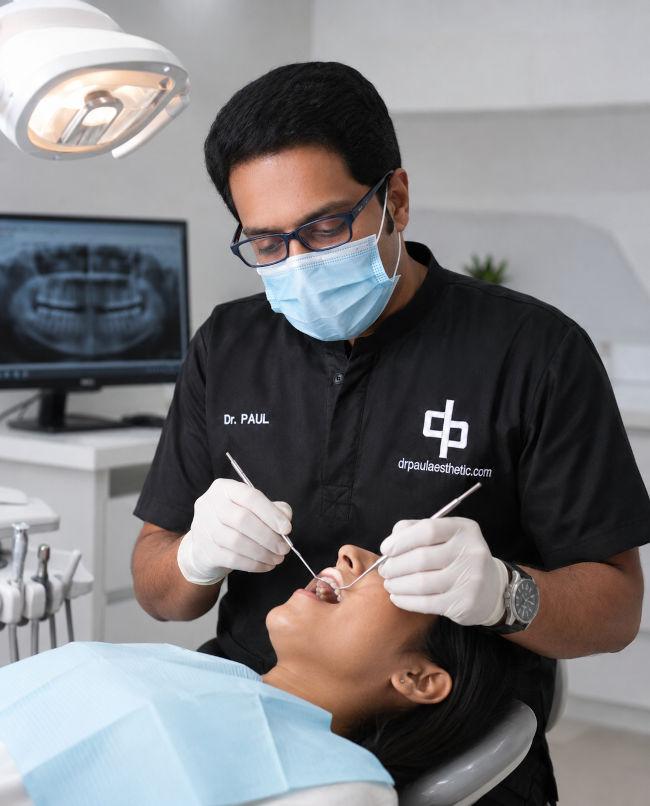
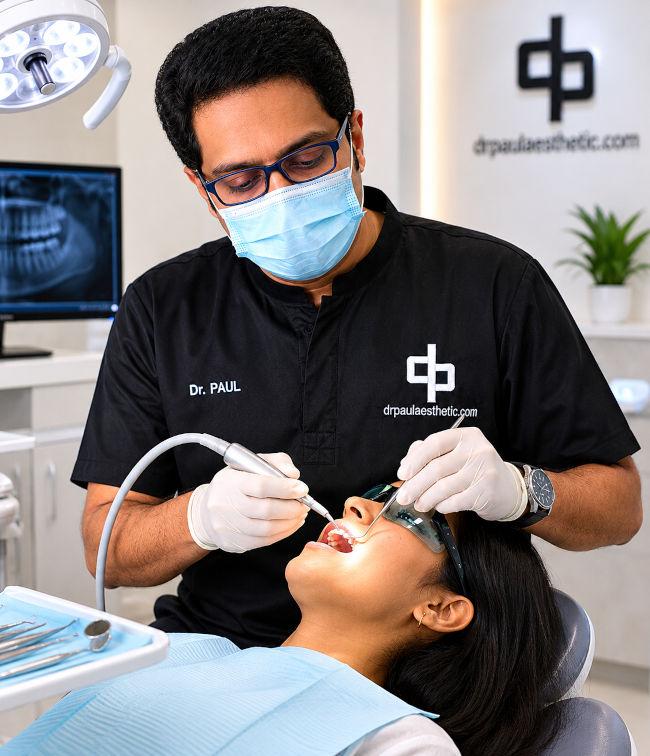
Under bright clinical illumination, each tooth surface is dried with gentle air and inspected for chalky white-spot lesions, micro-fractures, wear facets, and marginal staining around existing restorations. Drying the tooth is crucial because saliva can mask early enamel demineralisation.
3. Periodontal and Bite (Occlusal) Evaluation
Healthy teeth require a healthy foundation. The dentist checks the gum tissue around every tooth for bleeding, pocket depth, and bone support, while also observing how upper and lower teeth meet during chewing and side-to-side movements.
4. Targeted Diagnostic Testing and Digital Imaging
When a specific tooth is suspect, objective clinical tests reproduce and isolate the problem:
- Thermal sensibility testing (cold/heat): Determines whether the nerve inside the tooth is healthy, reversibly irritated, inflamed, or non-vital.
- Percussion and palpation: Gently tapping on individual tooth cusps and pressing along the outer gum tissue reveals whether inflammation has spread into the periodontal ligament surrounding the root tip.
- Selective biting tests (Tooth Slooth): Isolates individual cusps to detect incomplete crown fractures that do not show up on standard radiographs.
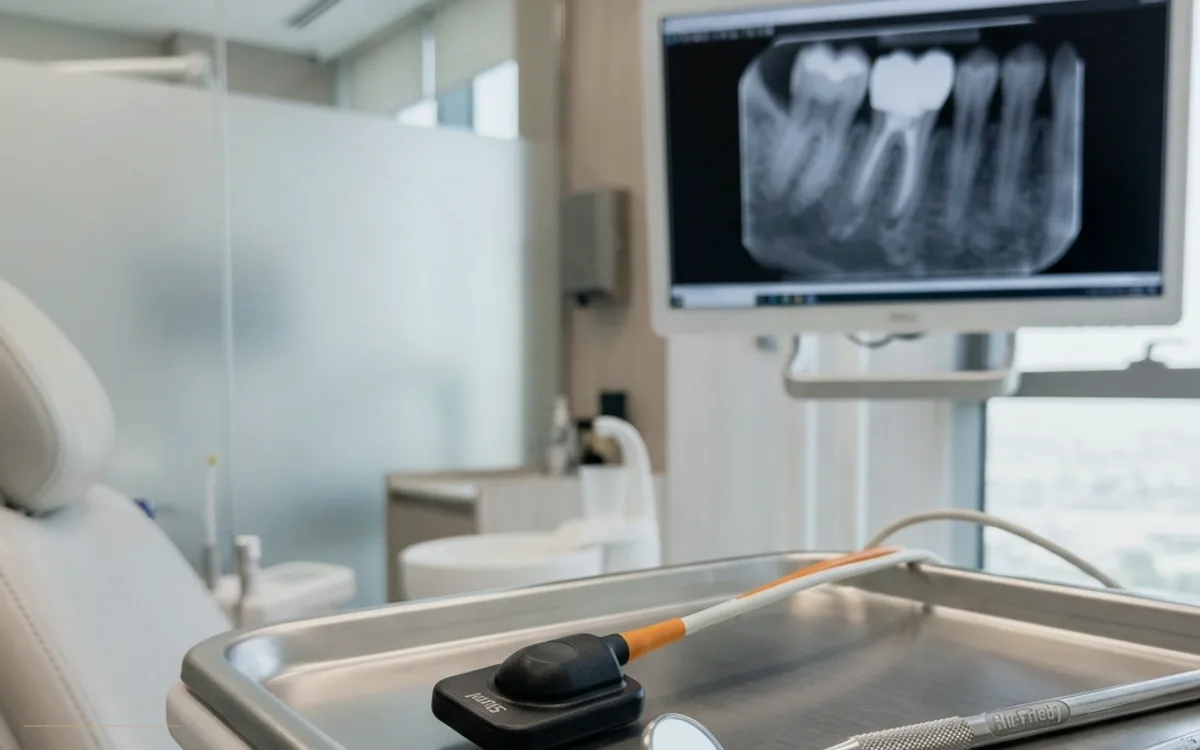
- Low-radiation digital radiographs: Reveals hidden decay between teeth, bone levels, root canal anatomy, and periapical pathology beneath the gumline.
How Diagnostic Precision Changes Treatment Outcomes
The table below illustrates how the exact same patient complaint can lead to entirely different—and far more appropriate—treatments once a formal diagnosis is completed:
| Patient Symptom | Possible Underlying Diagnosis | Appropriate Clinical Treatment | Risk of Skipping Full Diagnosis |
|---|---|---|---|
| Pain when chewing on a back molar | High bite spot from recent bruxism or filling | Minor occlusal adjustment and nightguard review | Performing unnecessary root canal therapy on a vital tooth |
| Sharp twinge with cold drinks | Exposed root dentine from toothbrush abrasion | Desensitising varnish or conservative cervical bonding | Drilling healthy enamel thinking a deep cavity is present |
| Throbbing pain lingering after hot coffee | Irreversible pulpitis inside the root canal system | Root canal treatment to remove inflamed nerve tissue | Placing a simple filling over an infected nerve, leading to an abscess |
| Bleeding and soreness between two molars | Deep interproximal cavity with food packing | Restoring the contact point and cleaning the gum pocket | Prescribing mouthwash without fixing the open contact |
Preserving Natural Tooth Structure Through Conservative Care
Once enamel is drilled away, the body cannot regrow it. Every restoration has a finite lifespan and eventually requires maintenance. When a dentist takes the time to establish an accurate diagnosis first, conservative options stay on the table.
For example, if an early enamel lesion has not broken through into the softer dentine layer, it can often be arrested using targeted fluoride therapy and interdental cleaning rather than drilling. Conversely, when deep decay is caught before bacteria reach the pulp chamber, a straightforward general dentistry restoration can save the tooth from needing endodontic therapy later. Explore more diagnostic guides in our accurate dental diagnosis guide library or read about why regular dental checkups matter.
When to Schedule a Diagnostic Assessment in Dubai
Whether you have a new dental symptom or want a thorough baseline check of your teeth and gums, diagnostic clarity comes first. At Dr. Paul Aesthetic, Al Taif Medical Center, Opposite West Hotel, Naif Street, Deira, Dubai, UAE, Dr. George Paul explains every finding and X-ray in plain language before any procedure begins. You can book an appointment online or message us on WhatsApp at +971 54 225 4920.
Frequently asked questions
Can a dentist diagnose my tooth problem from a photo or WhatsApp message?
No. While a photograph can show visible chipping or gum swelling, a definitive dental diagnosis requires hands-on clinical tests—such as checking nerve vitality, probing the gums, testing bite pressure, and reviewing digital X-rays—to see what is happening beneath the enamel and bone.
Why does my dentist test healthy neighbour teeth during an examination?
Testing adjacent or opposite healthy teeth establishes your personal baseline response to cold or gentle tapping. Comparing the suspect tooth against a normal control tooth helps the dentist accurately interpret how inflamed the nerve or ligament truly is.
Are dental X-rays always necessary for an accurate diagnosis?
Radiographs are not taken automatically on every visit, but they are essential whenever the dentist needs to inspect areas hidden from the naked eye—such as between tight back teeth, beneath old fillings or crowns, and around the tips of the tooth roots.
What happens after my dental diagnosis is confirmed?
Once the exact cause of your concern is identified, your dentist will show you the clinical findings, explain all viable treatment options (from monitoring to active restoration), and provide a clear written treatment plan before any treatment starts.
Sources and further reading
Have a question about your own teeth?
Dr. George Paul can assess your situation at Al Taif Medical Center, Opposite West Hotel, Naif Street, Deira, Dubai and explain the options that suit you.