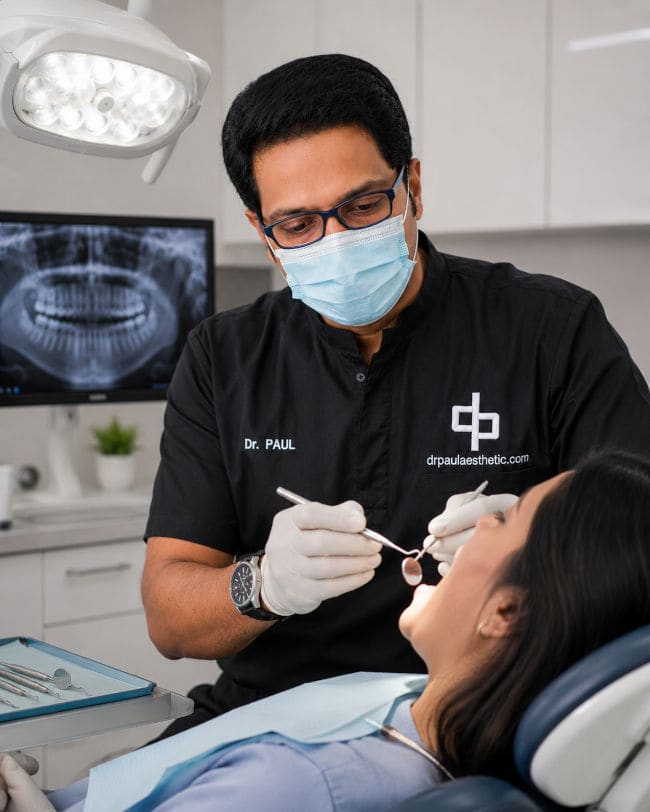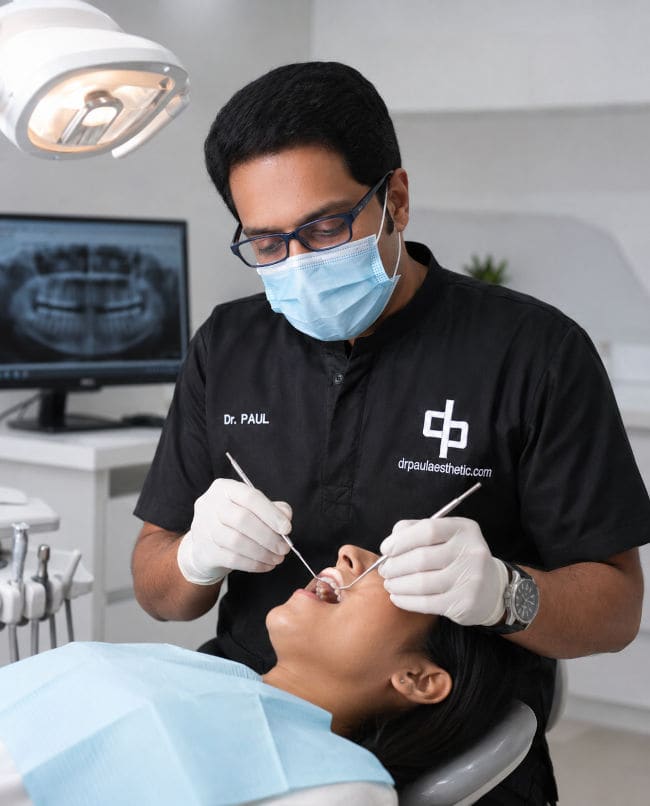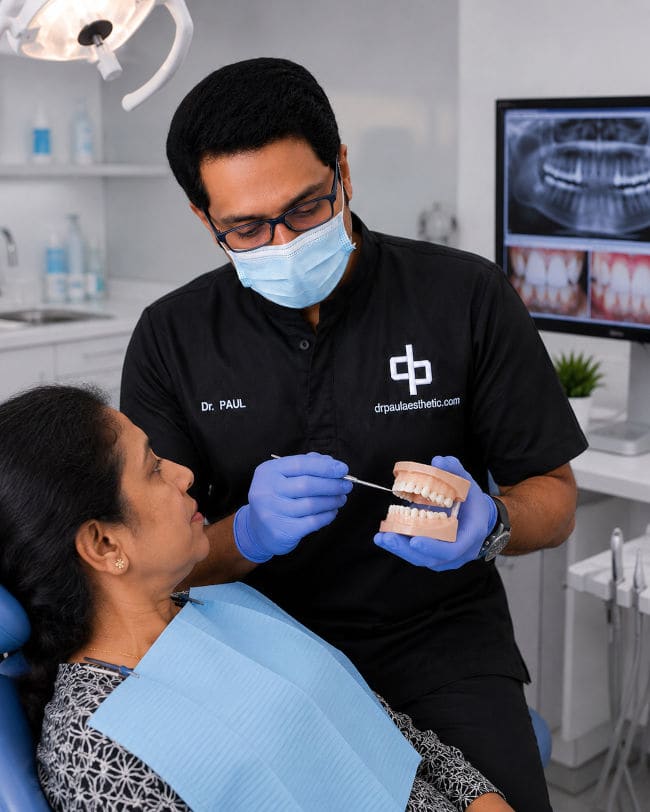
Regular dental check-ups can seem unnecessary when nothing hurts. But many dental problems develop silently, and by the time they cause pain they are often more complex to treat. Check-ups are as much about prevention and early detection as treatment.
The short answer
Regular check-ups allow decay, gum disease and other problems to be found early, often before symptoms appear. How often you need one depends on your individual risk — your dentist will recommend an interval based on your oral health.
What a check-up includes
History
Your dentist updates your medical history and medications and asks about any concerns or changes since your last visit.
Examination of teeth
Teeth are checked for decay, cracks, wear and the condition of existing fillings, crowns and other restorations.
Gum assessment
Gums are checked for inflammation and bleeding. Measurements of the gaps between teeth and gums (pocket depths) help assess gum health.
Soft tissues
The tongue, cheeks, palate and floor of the mouth are checked for ulcers, patches or lumps.
Bite and jaw
Your bite and signs of grinding or jaw problems are assessed.
X-rays when indicated
X-rays help detect decay between teeth, problems at root tips and bone levels. They are taken only when clinically justified, and the interval depends on your risk.
Advice
You receive personalised advice on brushing, cleaning between teeth, diet and any habits affecting your oral health.
Why early detection matters
- Decay found early may need only a small filling — or even just preventive care — rather than root canal treatment or a crown
- Gum disease caught early is often reversible with improved cleaning and professional care
- Cracks and worn fillings can be addressed before teeth break
- Changes in soft tissues can be investigated promptly
How often should you have a check-up?
There is no single interval that suits everyone. Clinical guidance such as that from the UK's National Institute for Health and Care Excellence (NICE) recommends recall intervals ranging from 3 months to 24 months for adults, depending on individual risk factors such as:
- History of decay or gum disease
- Diet and sugar intake
- Smoking
- Medical conditions such as diabetes
- Dry mouth
Children often benefit from more frequent visits.
Check-ups and cosmetic treatment
Before whitening, veneers, aligners or implants, a check-up ensures your teeth and gums are healthy enough for treatment. Cosmetic work on an unhealthy foundation is more likely to fail.
Hygiene visits
Professional cleaning removes tartar that brushing cannot. Ask whether this is part of your check-up or a separate appointment.
Conclusion
Regular check-ups are one of the simplest ways to protect your teeth and avoid more complex treatment. Book a check-up or learn more about general dentistry.
Sources and further reading
Have a question about your own teeth?
Dr. George Paul can assess your situation and explain the options that suit you.
Request a consultation