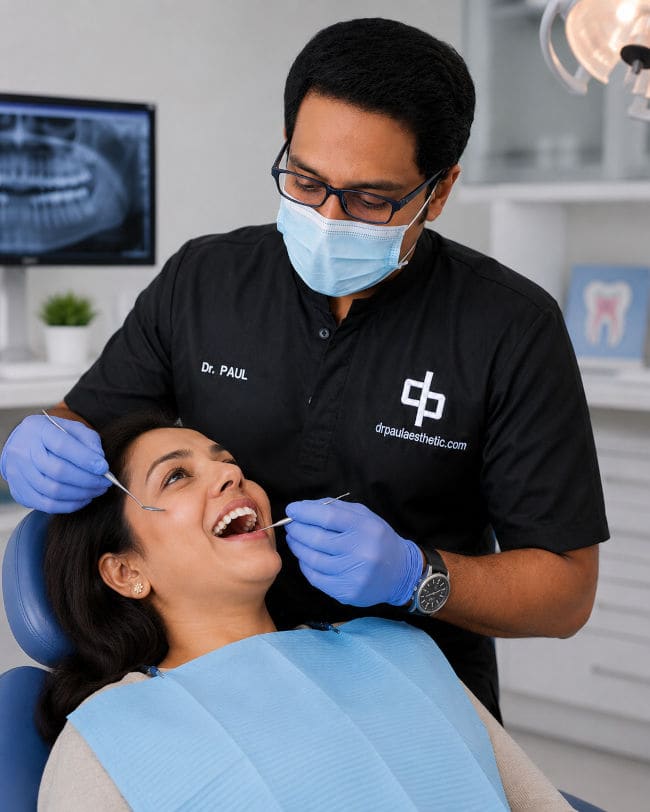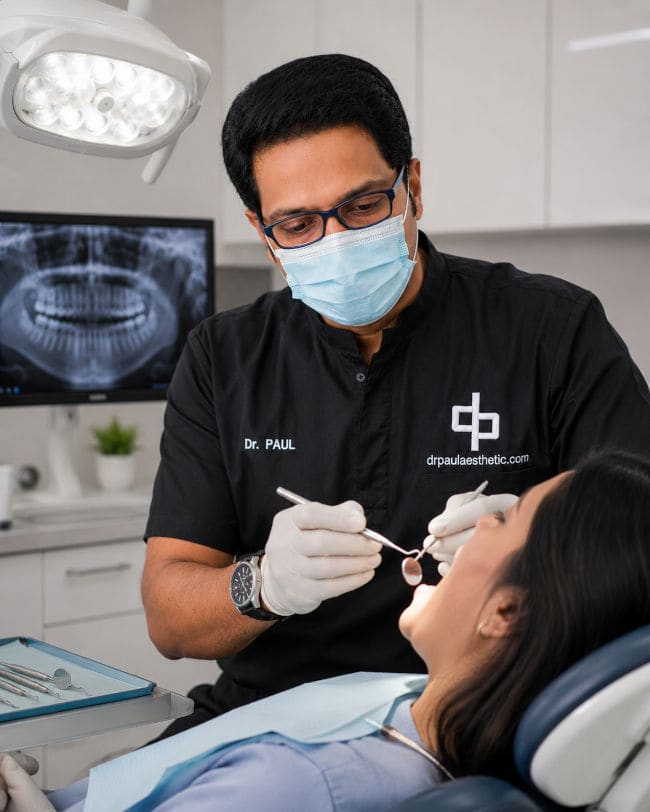
A smile makeover consultation is where planning starts. It should feel like a conversation and an assessment — not a sales pitch. Knowing what to expect helps you prepare useful questions and get the most from the appointment.
The short answer
Expect a discussion of your goals, a review of your health history, an examination of your teeth, gums and bite, photographs or scans, and an explanation of realistic options with their benefits, risks and costs. Treatment rarely begins on the same day.
1. Talking about your goals
Your dentist will ask what you notice when you look at your smile and what you would like to change. Useful things to share include:
- What bothers you most — colour, shape, gaps, crowding, worn edges, gum display?
- When you notice it — in photos, in conversation, in the mirror?
- How much change you want — a subtle refresh or a significant transformation?
- Your priorities — appearance, preserving natural teeth, durability, time or budget
2. Medical and dental history
Certain conditions and medications affect treatment planning, healing and gum health. Your dentist will also ask about previous dental treatment, sensitivity, grinding or clenching, and any jaw discomfort.
3. Clinical examination
The examination usually covers:
- Teeth: decay, cracks, wear and existing restorations
- Gums: inflammation, recession and gum line symmetry
- Bite: how your teeth meet and move
- Jaw joints and muscles: signs of strain or grinding
- Soft tissues: a general check of the mouth
4. Records
Depending on the case, records may include photographs, short video, intraoral scans and X-rays. These form the basis of smile design. See How Digital Smile Design Supports Cosmetic Dental Planning.
5. Discussing options
Your dentist should explain the options that could address your concerns, usually from the least to the most invasive, for example:
- Whitening
- Composite bonding
- Alignment with clear aligners
- Veneers or crowns
- Gum reshaping, implants or other procedures where relevant
For each, you should hear the likely benefits, limitations, risks, maintenance and approximate timeline. It is also reasonable to discuss doing nothing.
6. Next steps
Next steps might include a further records or mock-up appointment, a written treatment plan and estimate, and any health treatment needed before cosmetic work. Taking time to consider your options is encouraged.
How to prepare
- Note what you like and dislike about your smile
- Bring photographs of smiles you like — and ones you do not
- List your medications and relevant medical conditions
- Bring recent dental X-rays or records if you have them
- Write down your questions
See How to Prepare for a Cosmetic Dental Consultation for a fuller checklist.
Questions worth asking
- What would you recommend, and why?
- What are the less invasive alternatives?
- How much natural tooth would be removed?
- Can I see a preview of the result?
- What will maintenance involve, and how long might the result last?
What a good consultation feels like
You should leave feeling heard, informed and unhurried. Be cautious if you feel pressured to commit on the day or if risks and alternatives are not discussed.
Conclusion
A smile makeover consultation is the foundation of a good result. If you would like to discuss your smile with Dr. George Paul, you can request a smile consultation.
Frequently asked questions
Will treatment start on the same day?
Usually not for cosmetic work. Taking time to consider the plan is encouraged.
Have a question about your own teeth?
Dr. George Paul can assess your situation and explain the options that suit you.
Request a consultation