Root canal treatment has a reputation it does not really deserve. For most patients it feels similar to having a filling, and its purpose is to relieve pain and save a tooth that might otherwise need to be removed. Understanding what happens at each step can make the experience far less daunting.
The short answer
Root canal treatment removes inflamed or infected pulp from inside a tooth, disinfects and seals the canal system, and is followed by a filling or crown to protect the tooth. It is carried out under local anaesthetic.
What is the pulp?
Inside each tooth is a chamber and one or more narrow canals running through the roots. These contain the pulp: nerves, blood vessels and connective tissue. When bacteria reach the pulp — through deep decay, a crack or repeated dental work — it can become inflamed (pulpitis) and eventually die and become infected, sometimes forming an abscess at the root tip.
Why a tooth may need root canal treatment
- Deep decay reaching the pulp
- A crack or fracture exposing the pulp
- Trauma, even years earlier
- Repeated procedures on the same tooth
Common symptoms
- Lingering sensitivity to hot or cold after the stimulus is removed
- Spontaneous toothache, or pain that wakes you at night
- Pain on biting or touching the tooth
- Swelling of the gum or face
- A small gum "boil" that discharges
- A tooth that has darkened
Some infected teeth cause no symptoms and are discovered on X-rays. See Common Signs That a Tooth Needs Dental Assessment.
Step 1: Diagnosis
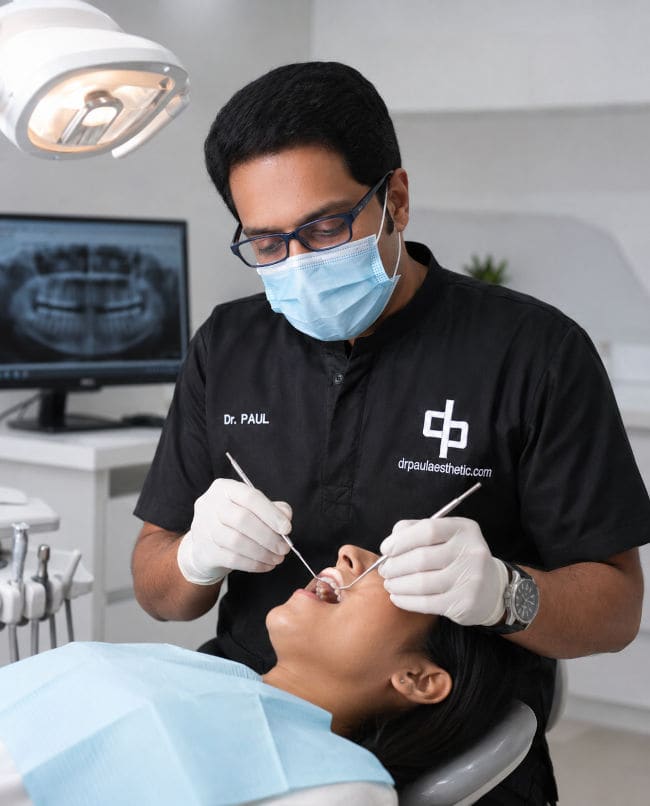
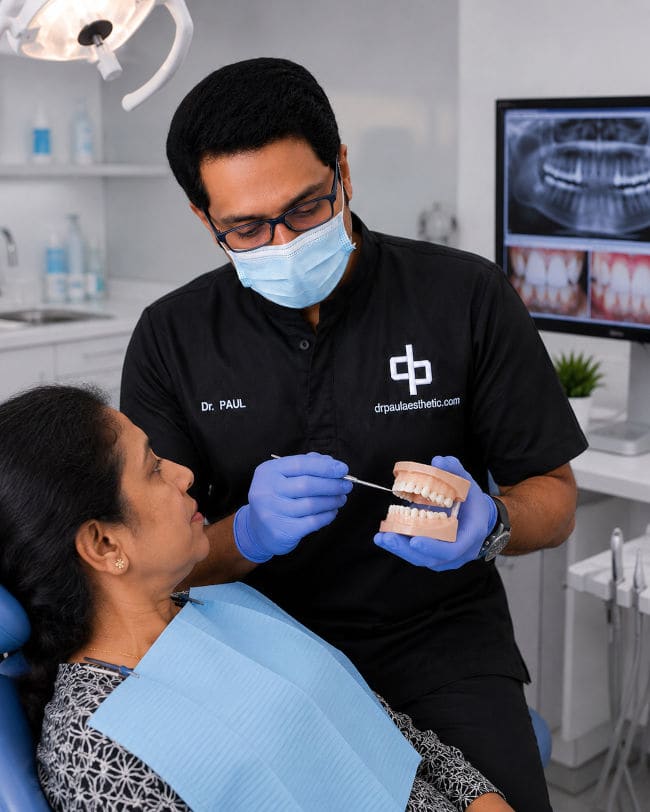
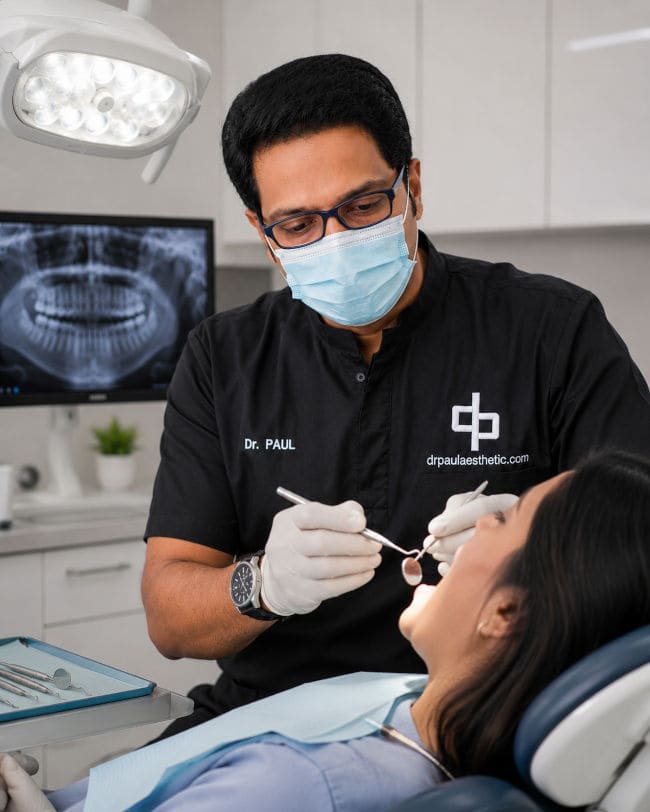
Your dentist asks about your symptoms, tests how the tooth responds to cold and tapping, and takes an X-ray to examine the roots and surrounding bone. This confirms whether root canal treatment is needed and whether the tooth can be restored afterwards.
Step 2: Anaesthesia and isolation
The tooth and surrounding area are numbed. A rubber dam — a thin sheet that isolates the tooth — keeps it clean and dry and prevents you swallowing irrigating solutions.
Step 3: Access
A small opening is made through the biting surface (or the back of a front tooth) to reach the pulp chamber.
Step 4: Cleaning and shaping
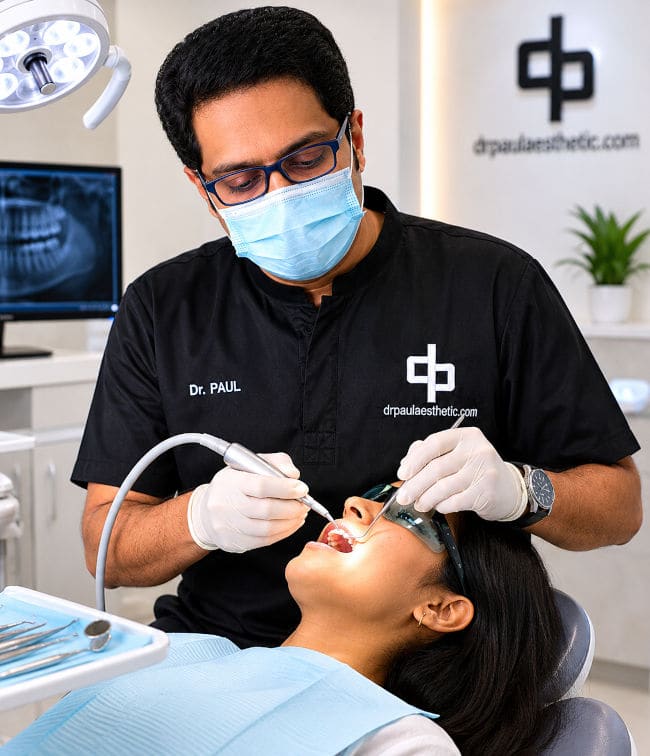
The canals are located, measured and cleaned with fine instruments while being flushed with disinfecting solutions. This removes infected tissue and bacteria and shapes the canals to receive a filling.
Step 5: Medication (if needed)
In some cases, particularly with significant infection, a medicated dressing is placed inside the tooth and sealed with a temporary filling for a short period before the canals are filled.
Step 6: Filling the canals
Once clean and dry, the canals are filled and sealed, commonly with a rubber-like material called gutta-percha and a sealer.
Step 7: Restoring the tooth
A root-treated tooth needs a durable restoration. Back teeth often need a crown or onlay to protect them from fracture; front teeth with little missing structure may only need a filling.
Recovery
Mild tenderness for a few days is common, especially when biting. Over-the-counter pain relief usually helps. Avoid chewing hard foods on the tooth until the final restoration is placed. Contact the clinic if you develop increasing swelling or fever.
Success and limitations
Many root-treated teeth function well for years. However:
- Success depends on factors such as the complexity of the canals, the extent of infection and how well the tooth is restored
- Some teeth need retreatment or a minor surgical procedure later
- Some teeth eventually need extraction
Alternatives
The main alternative is extraction, followed by an implant, bridge or denture if replacement is wanted. Keeping a natural tooth is often preferred when it can be restored predictably.
Conclusion
Root canal treatment is a common, well-established way to relieve pain and save teeth. If you have symptoms or have been told you need treatment, learn more about root canal treatment or contact the clinic for an assessment.
Frequently asked questions
Is root canal treatment painful?
It is done under local anaesthetic; most patients find it comparable to a filling.
Do I need antibiotics?
Antibiotics are not usually needed unless there is spreading infection.
Sources and further reading
Have a question about your own teeth?
Dr. George Paul can assess your situation and explain the options that suit you.
Request a consultation