Clear aligners have made teeth straightening more appealing to adults who would not consider visible braces. They suit many people well — but not every case, and not every lifestyle. Understanding how suitability is judged helps you set realistic expectations.
The short answer
Clear aligners often suit adults and older teenagers with mild to moderate crowding, spacing or relapse, who have healthy teeth and gums and can commit to wearing aligners for around 20–22 hours a day. More complex bite problems may be better treated with fixed braces or by a specialist orthodontist.
Often suitable
Mild to moderate crowding
Overlapping or slightly rotated front teeth are among the most common reasons adults choose aligners.
Small gaps
Spaces between teeth can often be closed predictably.
Relapse after earlier orthodontic treatment
Teeth that have shifted after braces in childhood — often because retainers were not worn — are frequently good aligner cases.
Preparing for cosmetic or restorative treatment
Aligning teeth before veneers, crowns or implants can reduce the amount of tooth preparation needed and improve the final result.
May need other approaches
- Severe crowding, particularly if extractions are needed
- Significant skeletal bite discrepancies, where the jaws themselves are mismatched
- Large vertical movements of teeth
- Significant rotations of rounded teeth such as canines and premolars, which can be harder to control
- Uncontrolled gum disease, which must be treated first
These cases may be treated with fixed braces, a combination of approaches, or by referral to a specialist orthodontist.
The commitment aligners require
Aligners only move teeth when they are worn. To succeed, you need to:
- Wear them about 20–22 hours a day
- Remove them for meals and drinks other than plain water
- Brush before putting them back in
- Change to new aligners on schedule
- Attend progress reviews
If this does not fit your lifestyle, braces — which work continuously — may be more reliable. See Clear Aligners vs Traditional Braces.
Health requirements
Before starting, your dentist will check:
- Decay, which should be treated first
- Gum health, as moving teeth through inflamed gums can accelerate bone loss
- Roots and bone, using X-rays
- Existing restorations that might affect attachment placement
Age
There is no upper age limit as long as teeth and gums are healthy. Teenagers can use aligners if they are reliable about wear.
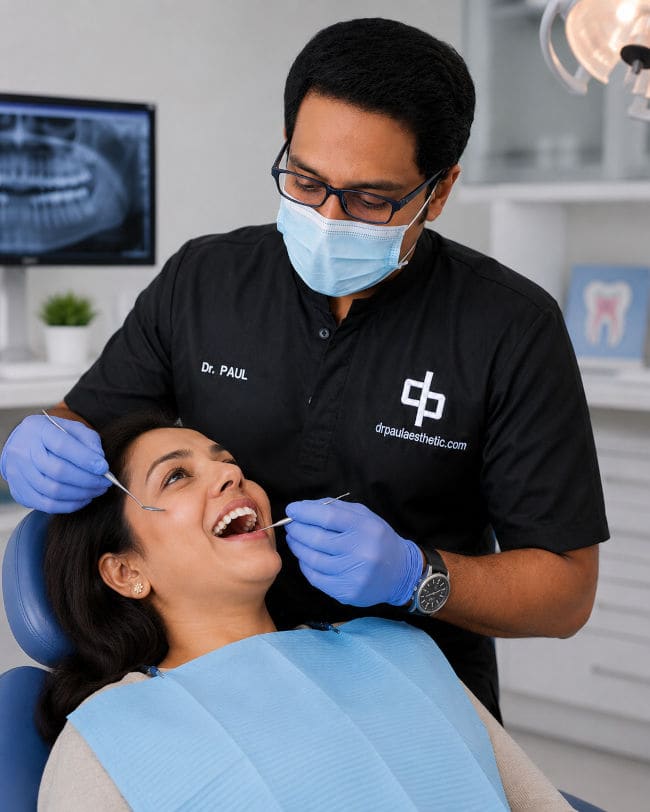
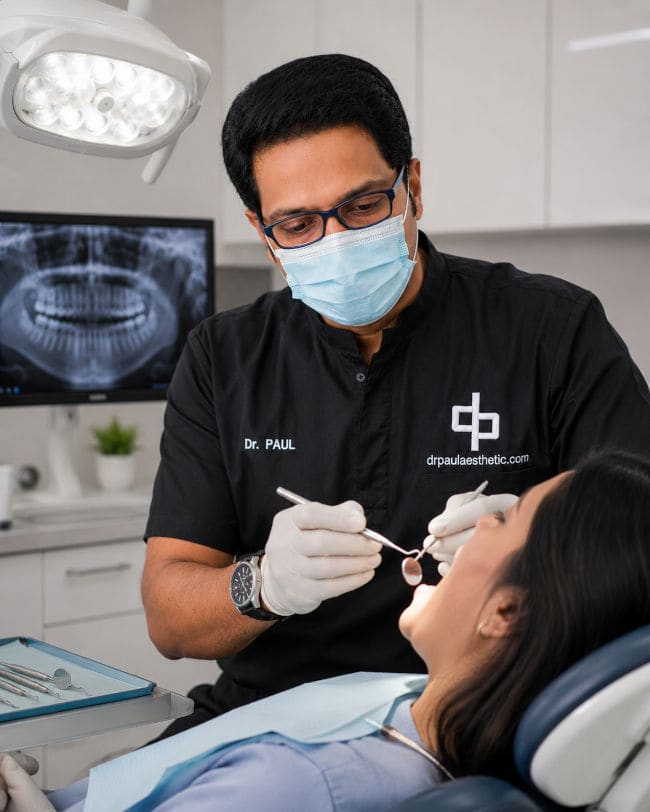
What the assessment involves
- Discussion of your goals
- Examination and X-rays
- Intraoral scan
- A digital plan showing planned movements
Read How Clear Aligner Treatment Is Planned.
Conclusion
Clear aligners are an effective option for many people with mild to moderate alignment concerns, provided they are committed to consistent wear. An assessment is the only way to know whether they suit your teeth. Learn about clear aligners or book an assessment.
Frequently asked questions
Can teenagers use clear aligners?
Many teenagers can, provided they wear them consistently.
Sources and further reading
Have a question about your own teeth?
Dr. George Paul can assess your situation and explain the options that suit you.
Request a consultation