Veneers are one of the most visible cosmetic treatments in Dubai, and social media can make them look like a universal solution for any smile. In practice, veneers are an excellent option for some people, a reasonable option for others, and not advisable for some. The difference comes down to the health of the teeth and gums, the bite, personal habits and what the patient is hoping to achieve.
This article explains who tends to be a good candidate, when veneers may be unwise, and which alternatives are worth discussing.
The short answer
No — veneers are not suitable for everyone. They work best on healthy teeth with enough enamel, healthy gums and a stable bite. Active decay, gum disease, heavy grinding, very little enamel or significant misalignment can make veneers unwise, or mean other treatment is needed first.
What a veneer needs to succeed
A veneer is a thin shell bonded to the front of a tooth. Its long-term success depends on three things:
- A strong bond. Veneers bond most reliably to enamel. The more enamel available, the more predictable the bond.
- Healthy surroundings. Inflamed gums bleed, recede and change shape, which affects both appearance and how well margins can be cleaned.
- Manageable forces. Veneers are strong once bonded but can chip or debond if they are subjected to heavy biting or grinding forces.
When any of these is compromised, risk increases.
Who tends to be a good candidate?
People who often do well with veneers include:
- Adults whose teeth and gums are healthy, or have been treated and stabilised
- Patients with discolouration that has not responded to professional whitening
- Teeth that are chipped, worn at the edges, or slightly misshapen
- Small gaps between front teeth where orthodontic treatment is not preferred
- People who are prepared to maintain their veneers and attend regular reviews
When veneers may not be advisable
Active decay or gum disease
Bonding a veneer to a decayed tooth, or next to inflamed gums, risks early failure and a poor appearance. These problems need to be treated and stabilised first. Our article Why Regular Dental Checkups Matter explains why a baseline examination is so important.
Significant grinding or clenching
Bruxism — grinding or clenching, often at night — places repeated heavy forces on the front teeth. Veneers may still be possible, but the risk of chipping and debonding is higher, a protective night guard is usually essential, and the bite needs careful assessment.
Very little remaining enamel
Teeth with severe acid erosion, extensive wear or large existing fillings may not have enough enamel for reliable bonding. A crown, which covers the whole tooth, may be a more predictable choice.
Significant crowding or bite problems
Veneers can make mildly irregular teeth look straighter, but using them to "straighten" significantly crooked teeth often requires removing a lot of healthy tooth structure. Moving teeth first with clear aligners or other alignment treatment is usually the more conservative path, and can reduce how much preparation veneers need afterwards.
Children and younger teenagers
Teeth, gums and the jaw are still developing in young people. Veneers are generally not considered until growth and gum levels have matured.
Expectations that the teeth cannot support
Sometimes the result a patient has in mind — for example, very large or very white teeth — would require removing significant amounts of healthy tooth or would look out of proportion with their face. A responsible dentist will say so and explain what is realistic.
The role of the consultation
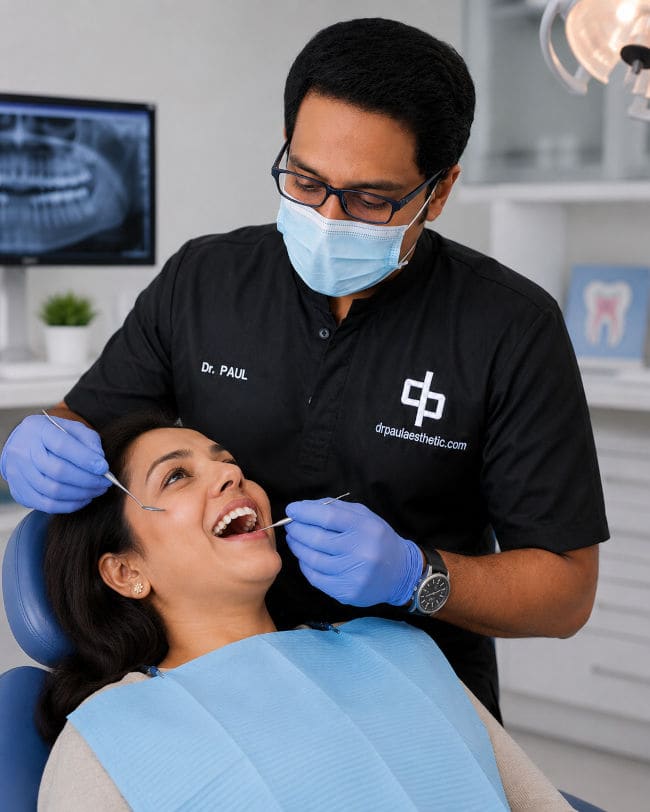
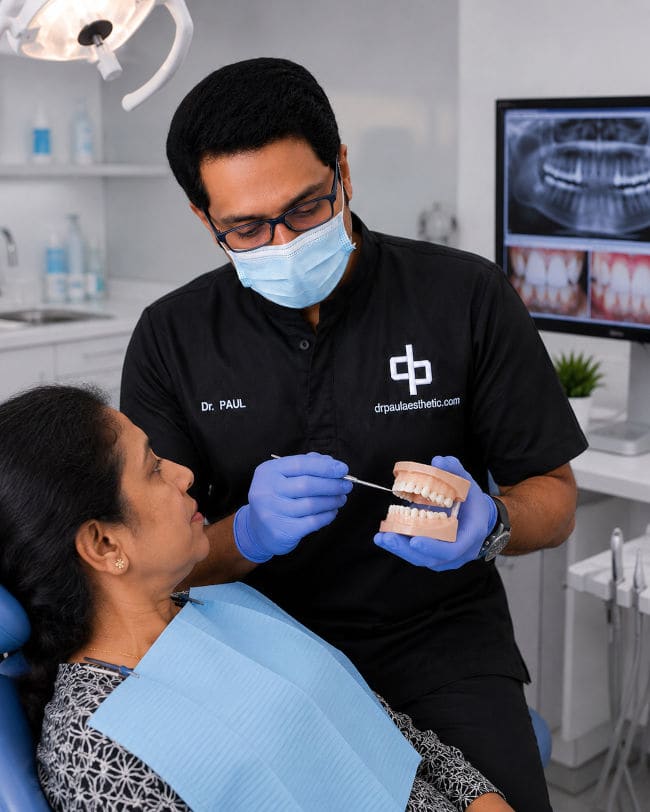
A veneer consultation should include an examination of teeth and gums, an assessment of the bite and any signs of grinding, X-rays where appropriate, and a conversation about your goals. Many clinicians also use photographs and a trial mock-up so that you can see proposed changes before anything irreversible is done.
It is worth asking directly: *"Am I a good candidate, and if not, what would you suggest instead?"* A clear answer to that question is a good sign.
Alternatives worth discussing
Depending on your concern, these options may achieve your goal with less impact on your teeth:
- [Professional teeth whitening](/services/teeth-whitening-dubai/) for general yellowing or staining
- Composite bonding for small chips or minor shape changes
- Clear aligners for crowding, gaps or rotated teeth
- Crowns for heavily restored or structurally weak teeth
- A combination — for example, whitening and alignment followed by veneers on only the teeth that still need them
Our guide How to Choose Between Teeth Whitening and Veneers explores one of the most common decisions in more detail.
Questions to ask yourself
- Is my main concern colour, shape, position, or a combination?
- Am I comfortable with treatment that may involve irreversible enamel removal?
- Do I grind or clench my teeth, and am I willing to wear a night guard?
- Am I prepared for ongoing maintenance and eventual replacement?
Conclusion
Veneers can produce excellent, natural-looking results for the right patient — but suitability is individual. The best outcome starts with an honest assessment of your teeth, gums, bite and goals. If you are considering veneers in Dubai, a consultation with Dr. George Paul can help you understand whether veneers or another approach would suit you best.
Frequently asked questions
Can I get veneers if I grind my teeth?
Possibly, but the risk of damage is higher. A night guard and careful bite planning are usually required.
What is the minimum age for veneers?
Veneers are generally considered once teeth and gums have matured, typically in adulthood.
Sources and further reading
Have a question about your own teeth?
Dr. George Paul can assess your situation and explain the options that suit you.
Request a consultation