Wisdom teeth — the third molars — usually appear between the late teens and mid-twenties. Many people keep them without any trouble. Others have wisdom teeth that only partly erupt or are blocked by the tooth in front, which can lead to problems. Understanding when removal is genuinely needed, and what recovery involves, helps you approach treatment with confidence.
The short answer
Wisdom teeth are usually removed only when they cause problems, such as repeated gum infection, decay, damage to the neighbouring tooth, or cysts. Removal of healthy, symptom-free wisdom teeth is not routinely recommended in many clinical guidelines.
Common symptoms
- Pain at the back of the jaw
- Swollen, tender gum over a partly erupted wisdom tooth (pericoronitis)
- Difficulty opening the mouth fully
- Bad taste or bad breath from the back of the mouth
- Food trapping behind the second molar
- Swelling of the face or jaw in more severe infections
Why wisdom teeth cause problems
When a wisdom tooth is partly erupted, a flap of gum often covers part of it. Food and bacteria collect under this flap, causing repeated infection. Wisdom teeth angled against the second molar can also cause decay or bone loss on the back of that tooth.
Assessment
Assessment usually includes:
- Discussion of your symptoms and how often they occur
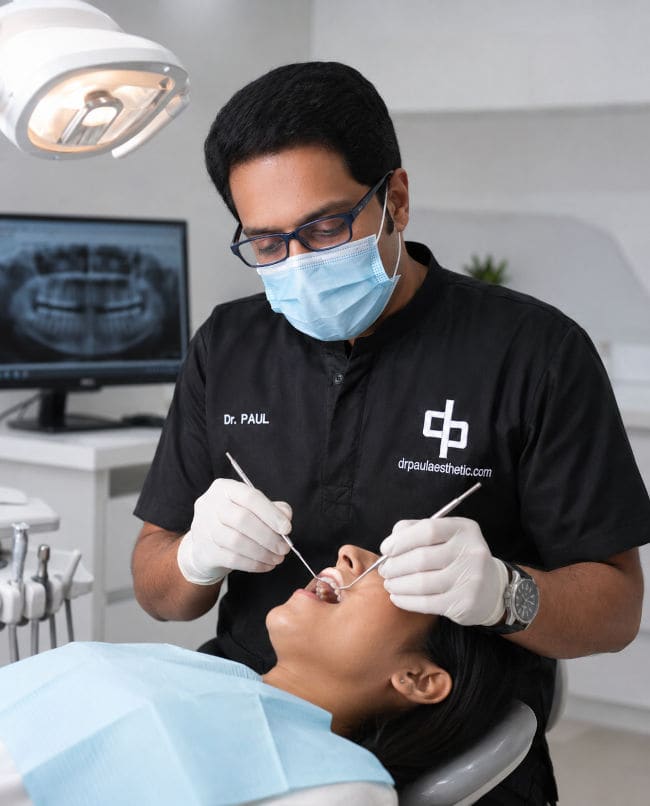
- Examination of the area
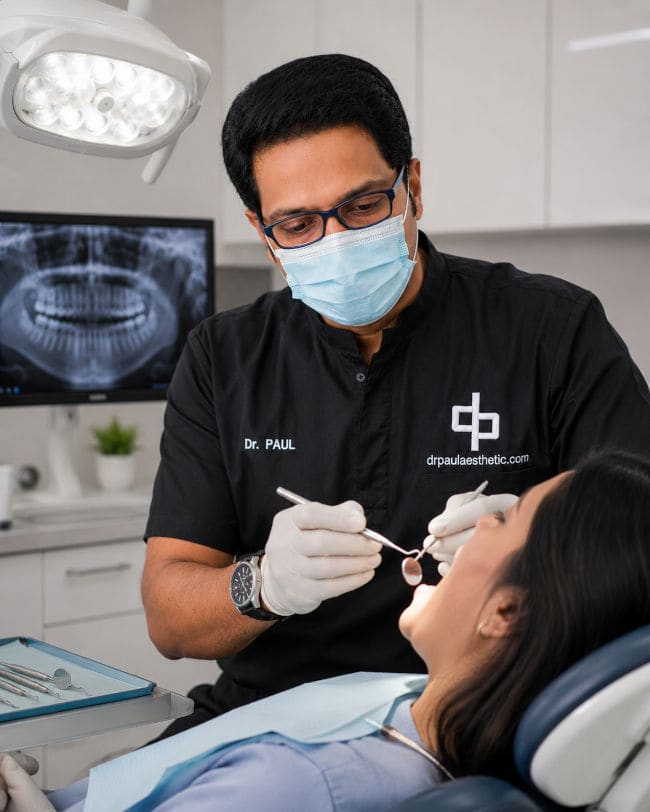
- An X-ray showing the tooth's position, root shape and relationship to the nerve in the lower jaw
- 3D imaging (CBCT) if the roots appear close to the nerve
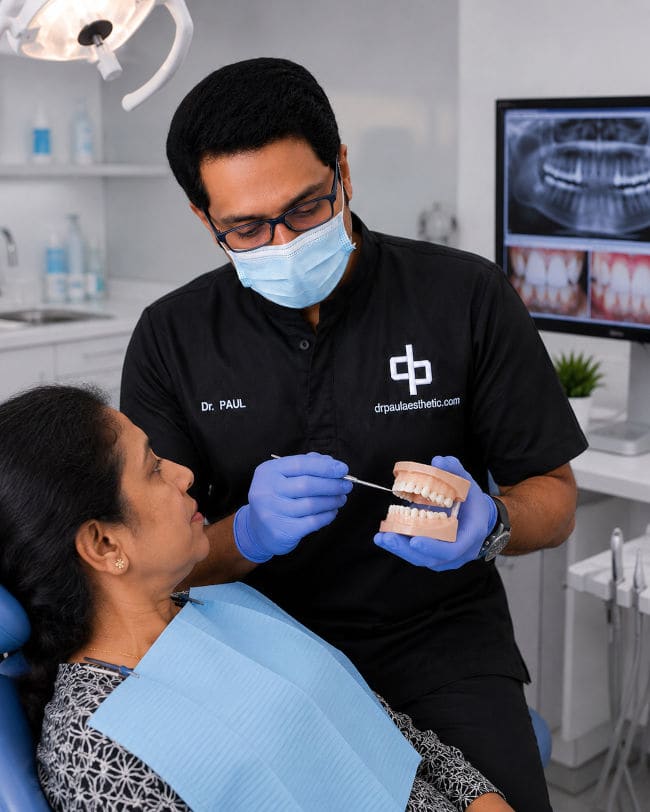
Your dentist will explain whether removal is advisable, what risks apply to your tooth, and whether treatment is best carried out in the clinic or by an oral surgeon.
Alternatives
- Monitoring wisdom teeth that are not causing problems
- Managing a single minor flare-up with cleaning and local measures
- Referral to an oral and maxillofacial surgeon for complex cases
What happens during removal
Under local anaesthetic, upper wisdom teeth are often removed relatively simply. Lower impacted teeth may require a small gum incision, removal of a little bone, and sectioning of the tooth into pieces. Stitches may be placed.
Recovery timeline
- Day 1: some bleeding and numbness; use cold compresses to limit swelling
- Days 2–3: swelling and stiffness usually peak
- Days 4–7: gradual improvement
- 1–2 weeks: most people feel largely back to normal
Recovery tips
- Rest on the day of surgery
- Use cold compresses during the first 24 hours
- Eat soft foods and avoid very hot drinks while numb
- Avoid smoking and vigorous rinsing for the first 24 hours
- Begin gentle rinses as advised
- Take pain relief as recommended
Risks
- Swelling, bruising and jaw stiffness
- Dry socket, where the blood clot is lost, causing pain a few days after surgery
- Infection
- Temporary or, rarely, persistent numbness of the lip, chin or tongue when the tooth is close to a nerve
- Damage to neighbouring teeth or restorations (rare)
When to contact the clinic
- Bleeding that does not settle with pressure
- Pain that worsens after day three
- Increasing swelling or fever
- Numbness that persists after the anaesthetic has worn off
Conclusion
Most wisdom teeth do not need removing unless they cause problems. When removal is advisable, careful assessment and good aftercare support a smooth recovery. Learn about wisdom tooth removal or book an assessment.
Sources and further reading
Have a question about your own teeth?
Dr. George Paul can assess your situation and explain the options that suit you.
Request a consultation